What a memory holds
A memory can be one picture, and it can stay one picture.
The plan said
Ralph
We're gonna go peach picking!
The story
Rosie
It turned out to be a storefront, not an orchard. Fresh peaches at the counter and a whole case of homemade peach things behind it. We got the ice cream and ate it in the car with the doors open.
Asides
Ralph
The orchard is for the internet. There are no peaches to pick.
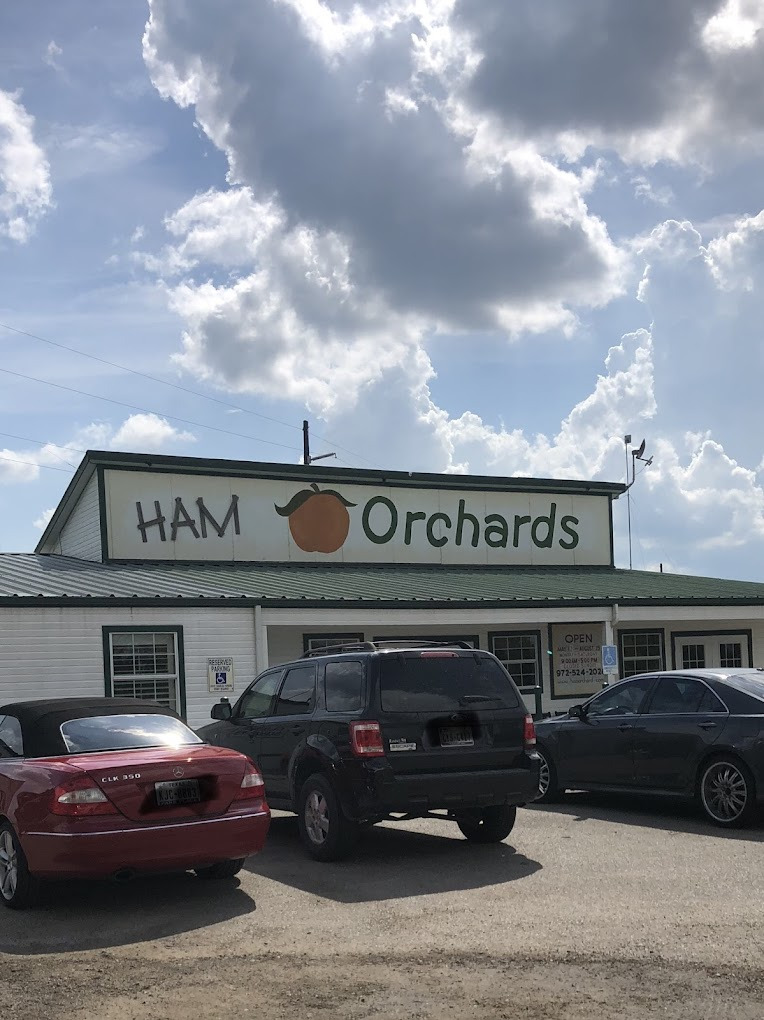
Ham Orchards
Plan, story, and asides on a kept day, each from whoever wrote it.
How it works
Ember reads what the camera already wrote into the file: the day it was taken and, if the phone recorded one, the coordinates. The photo lands on the right day without you choosing a date, and on the map without you naming a place.
When the file carries no location, the memory has none until you add one. When it carries the wrong one, you can change it. A memory with no place is a normal memory.
Photos, video, and voice notes sit in the same memory, so a day is not split across three apps. There is no per-memory limit on how many.
The story, and replies
The story is the main body of a memory. There is no length it is supposed to be, and no window it has to be written in. A paragraph that night, or one line in four years.
A reply hangs off a story or an aside when someone wants to answer it. Replies stop at one level, so a reply to a reply becomes a sibling rather than a deeper branch.
Asides
An aside is its own kind of entry, not a footnote to the story. A joke, a price, the name of the dog: the things that would ruin the paragraph.
They sit under the day in their own place, so the story stays the story and the aside is still there when you go looking for it.
Voice notes, transcribed
A voice note records onto the day. It plays back where it was left.
Ember transcribes it. The transcript is searchable and you can correct it.
On a two-person mantel, a day where you both left one plays them back in sequence.
Tags
A tag is a word you put on a day so days that share nothing else can be found together. Search reads them.
Ember doesn't suggest tags. There is no list to pick from, and no tag you are expected to use.
One pick, several days
Choose photos taken across several days and Ember asks which you meant: one memory holding all of them, or one memory per day, each photo on the day it was taken.
That is the difference between a weekend and three days. Ember asks rather than guessing.
Copying a day
Copying a memory brings the places, the tags, and how it was set to be seen. The photos and the writing stay with the original.
It is for the thing you do again. The same walk next Sunday, or the same week next year.
What it doesn't do
Ember never marks a memory incomplete, and there is no progress bar toward a finished one.
It doesn't write your story for you, and it won't caption a photo you never asked it to.
Nothing is required except the day it happened.